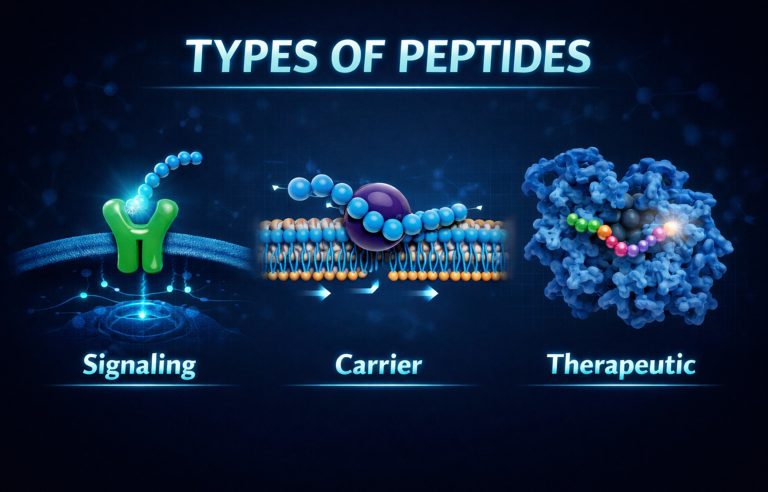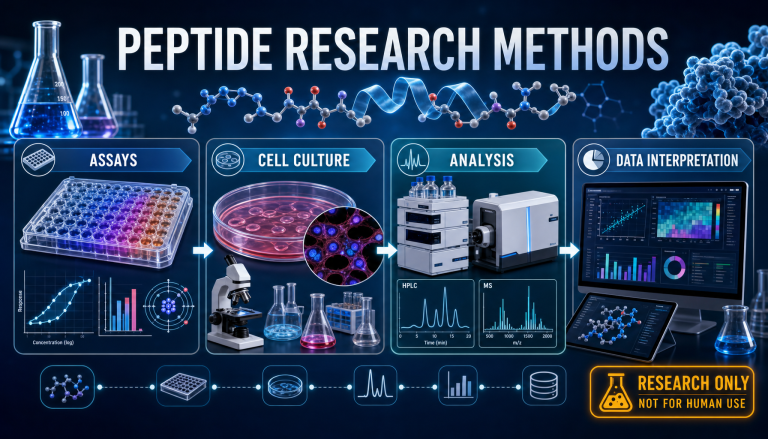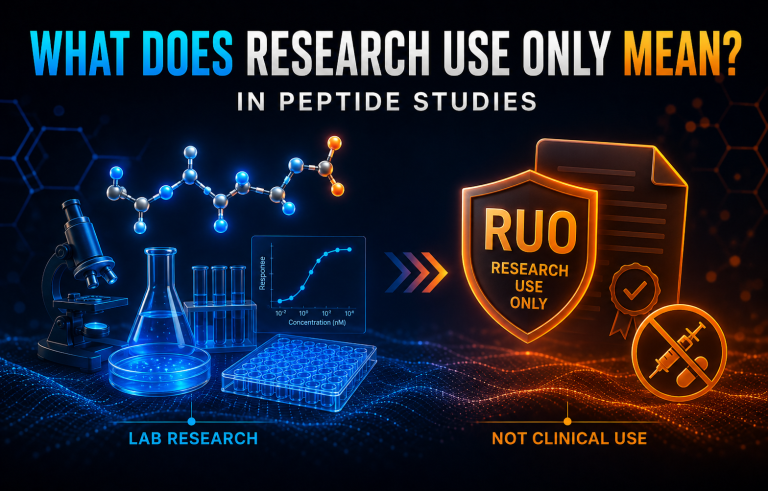
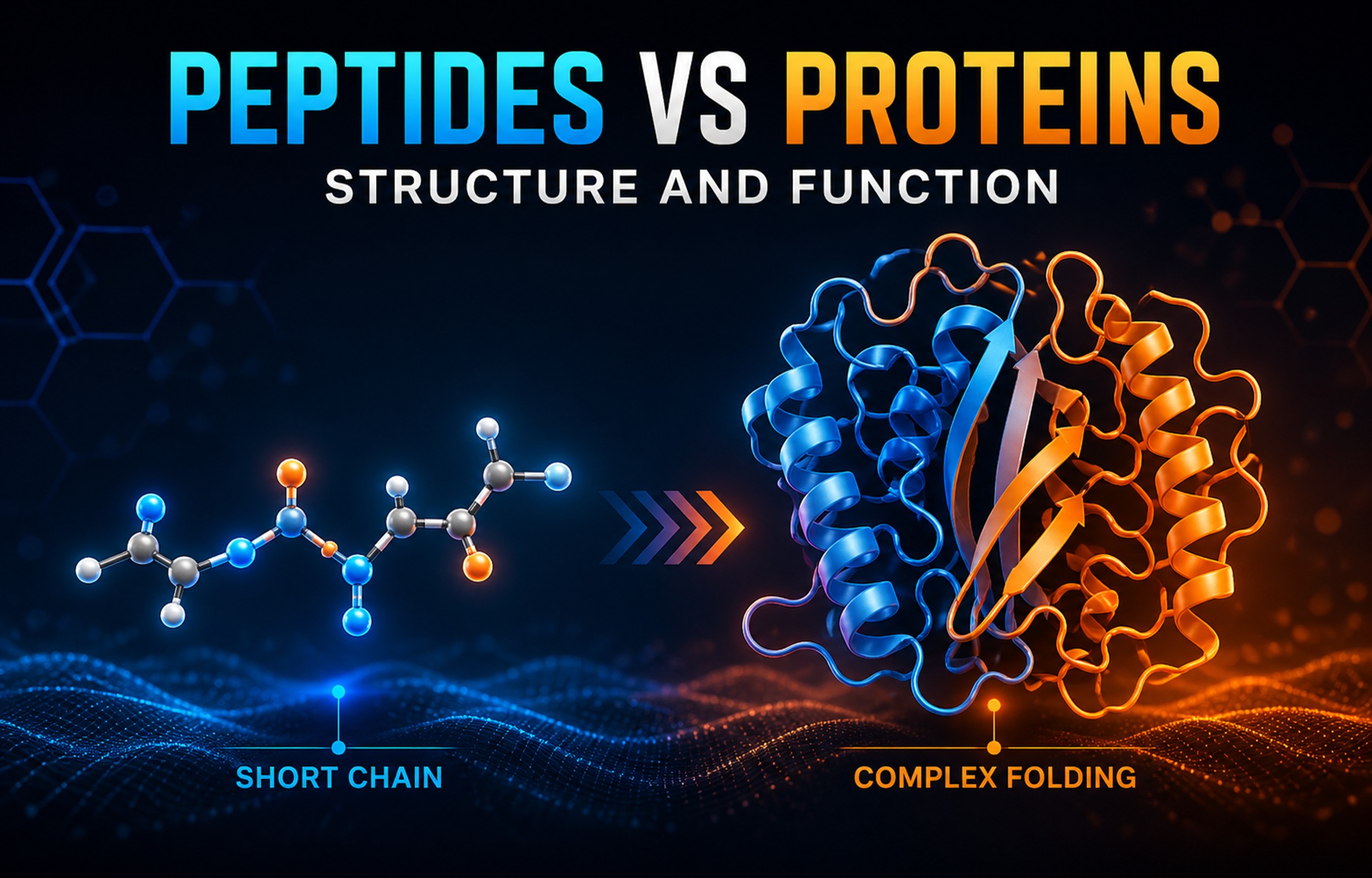
If you missed it, start here: Types of Peptides: Signaling, Carrier, and Therapeutic Peptides Explained. Building on that foundation, this article explores the next logical question in molecular biology research: what are the structural and functional differences between peptides and proteins? Understanding these differences is essential for interpreting research literature and experimental results in laboratory settings.
The next logical question is: what distinguishes peptides from proteins in molecular biology?
While peptides and proteins are both chains of amino acids, their size, structure, and biological roles differ significantly. Research literature often distinguishes peptides from proteins based on length and complexity, but these definitions can vary depending on the context. Clarifying these distinctions helps researchers design experiments and interpret findings related to biomolecular function and interaction.
This article focuses on the structural and functional differences between peptides and proteins as studied in preclinical research and laboratory settings.
Main concept foundation: Defining peptides and proteins
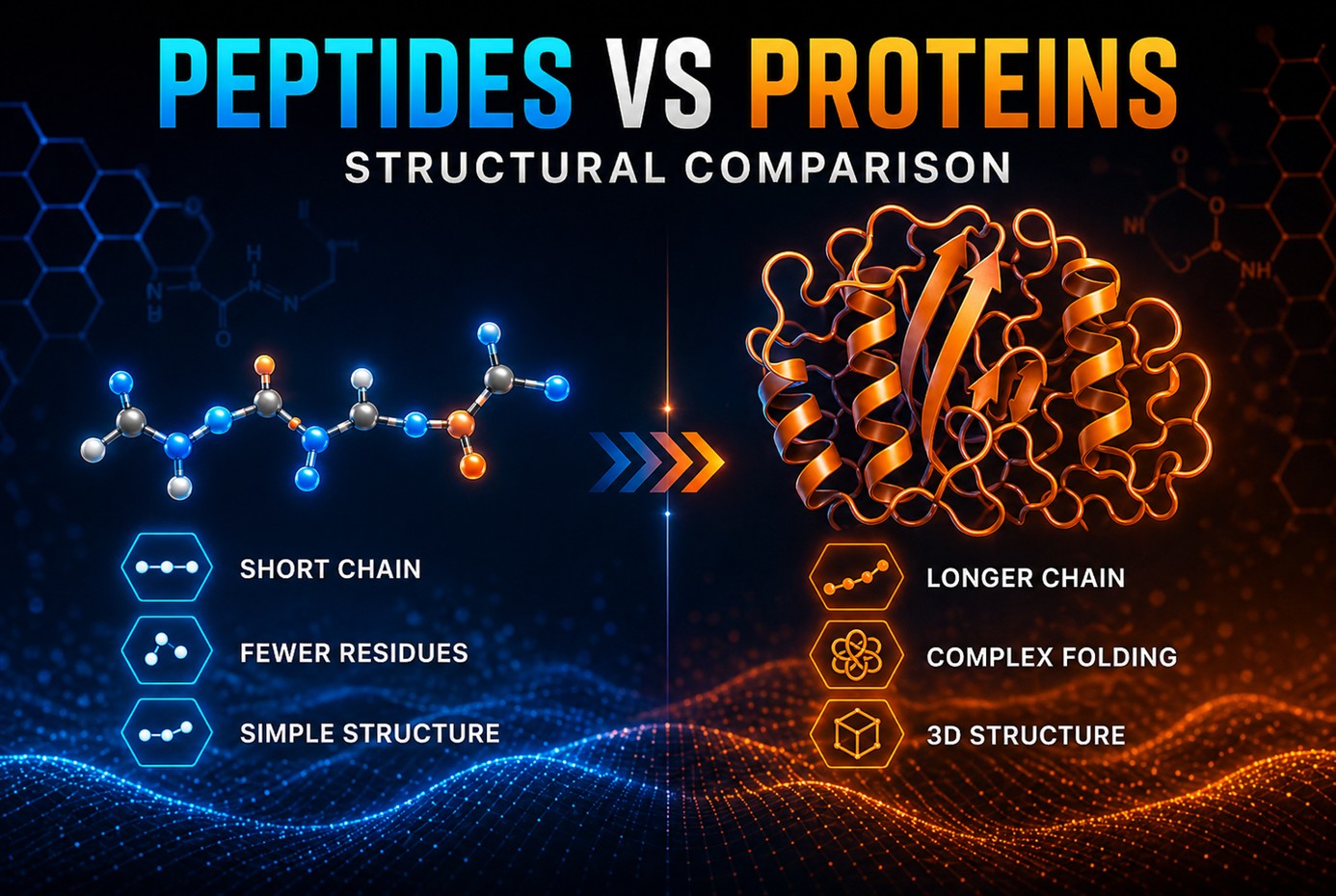
Peptides are short chains of amino acids linked by peptide bonds, typically containing fewer than 50 residues. Proteins, on the other hand, are larger polypeptides that fold into complex three-dimensional structures necessary for diverse biological functions. Both peptides and proteins are synthesized by ribosomes through the translation of messenger RNA, but their structural complexity and functional roles differ markedly.
Research suggests that the boundary between peptides and proteins is somewhat arbitrary but useful for categorizing biomolecules in molecular biology.
- Peptides: usually less than 50 amino acids in length
- Proteins: typically longer chains with complex folding
- Both composed of amino acids linked by peptide bonds
Peptides: Structure and functional roles in research
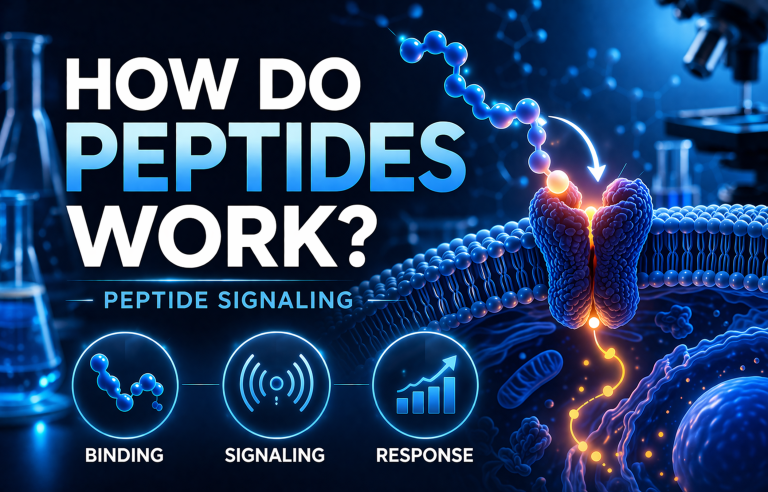
Peptides are linear or cyclic chains of amino acids that often serve as signaling molecules, hormones, or intermediates in biological pathways. Their relatively simple structures allow them to interact with receptors or enzymes with high specificity. In molecular biology research, peptides are frequently used as probes or modulators to study protein interactions and cellular responses.
Because of their size, peptides generally lack the complex tertiary and quaternary structures seen in proteins, which affects their stability and function in laboratory assays.
Peptides can be chemically synthesized or isolated from natural sources, facilitating their use in preclinical research. Their smaller size also allows for easier modification and labeling, which is advantageous in experimental design.
- Short amino acid chains, typically under 50 residues
- Often function as signaling or regulatory molecules
- Used as tools in molecular biology to probe protein function
Learn Peptide Research the Simple Way
- Understand how peptides are studied in laboratory settings
- Learn the core concepts behind peptide research
- Start with a beginner-friendly guide — no technical background required
For educational and research purposes only.
Proteins: Complex structures and diverse functions
Proteins are large, folded polypeptides that perform a vast array of functions in cells, including catalysis, structural support, transport, and regulation. Their function depends heavily on their three-dimensional conformation, which arises from interactions among their amino acid side chains. This folding creates specific active sites and interaction surfaces critical for biological activity.
In molecular biology research, proteins are studied extensively to understand mechanisms of action, interaction networks, and cellular pathways.
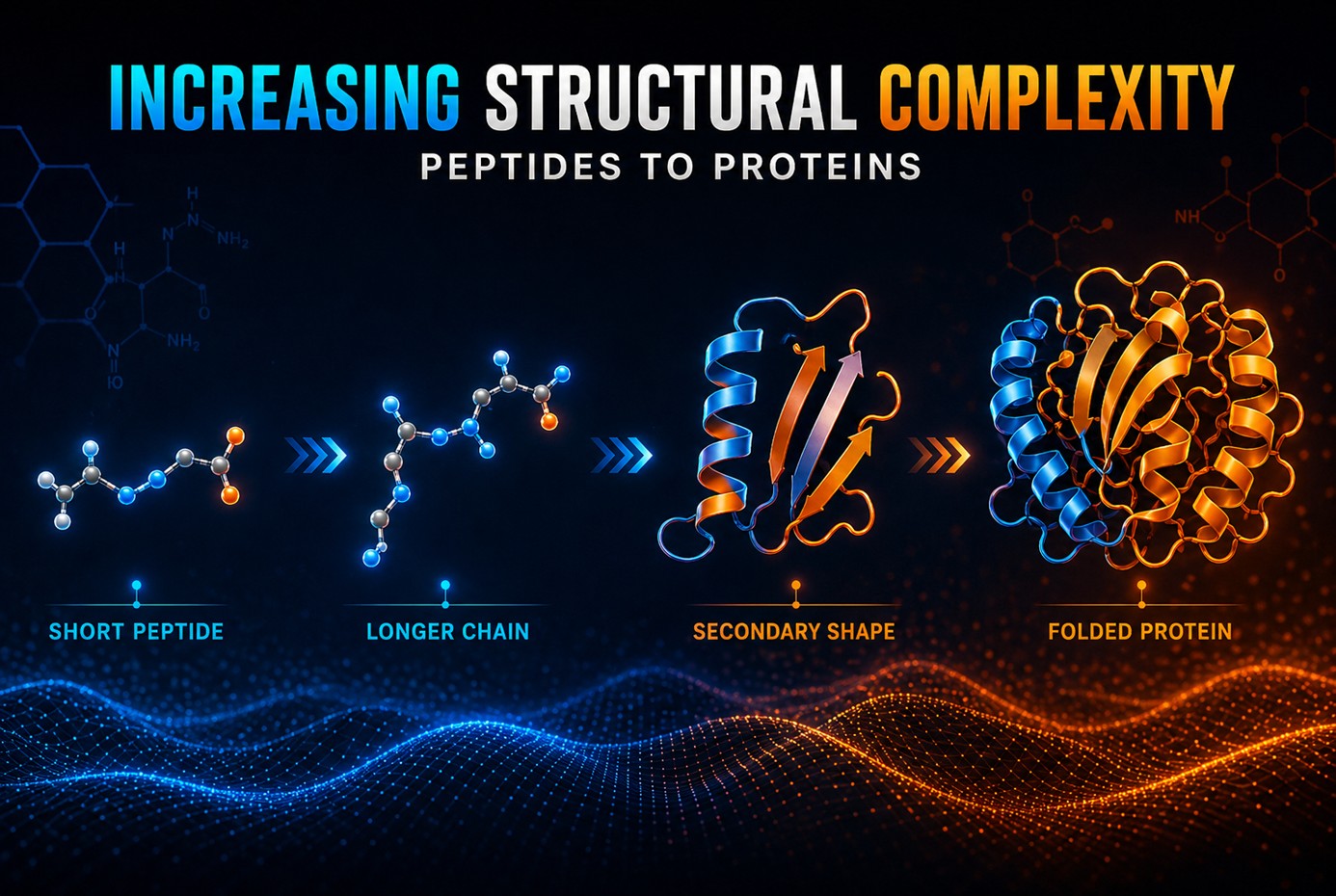
Proteins often consist of multiple domains and can assemble into quaternary structures with other protein subunits. Their complexity requires sophisticated techniques for analysis, including X-ray crystallography, NMR spectroscopy, and cryo-electron microscopy.
- Long polypeptide chains with complex folding
- Function depends on tertiary and quaternary structure
- Studied to elucidate cellular mechanisms and pathways
Structural and functional distinctions in molecular biology research
Understanding the differences between peptides and proteins is crucial when interpreting experimental data. Peptides, due to their smaller size and simpler structure, are often used in studies focusing on receptor binding or signaling cascades. Proteins, with their complex structures, are the main actors in enzymatic reactions, structural assemblies, and regulatory networks.
Research literature indicates that the interplay between peptides and proteins is a key area of investigation, especially in preclinical research where peptides may modulate protein function or serve as templates for drug design.
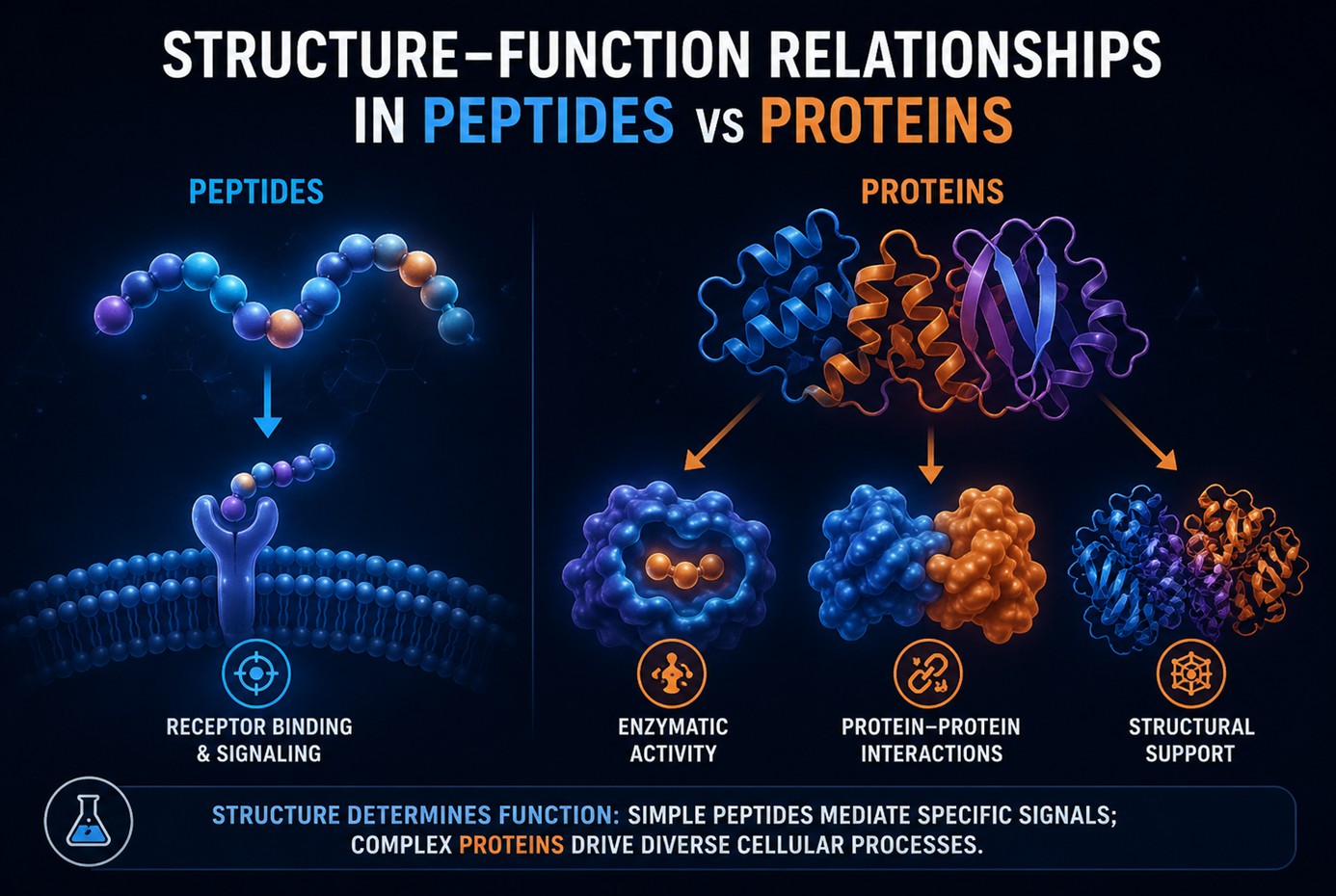
Laboratory techniques differ when studying peptides versus proteins, reflecting their structural and functional properties. Peptide synthesis and mass spectrometry are common for peptides, while protein purification and structural biology methods are essential for proteins.
- Peptides: simpler, easier to synthesize and modify
- Proteins: require complex folding and structural analysis
- Both play complementary roles in molecular biology research
How These Ideas Work Together
Peptides and proteins represent a continuum of biomolecules distinguished primarily by size and structural complexity. In molecular biology research, recognizing these distinctions enables better experimental design and interpretation. Peptides often serve as manageable models or modulators of protein function, while proteins themselves carry out the majority of cellular activities through their intricate structures.
Together, these biomolecules form the basis for understanding cellular processes and developing research tools. The structural and functional differences highlighted here emphasize the importance of context when discussing peptides versus proteins in scientific studies.
Key Takeaways
- Peptides are short amino acid chains, usually under 50 residues.
- Proteins are longer polypeptides with complex 3D structures.
- Peptides often act as signaling molecules or research probes.
- Proteins perform diverse cellular functions requiring folding.
- Understanding differences aids interpretation of molecular biology research.
What Comes Next
The next article in this series, What Does Research Use Only Really Mean?, will continue to clarify important terminology and concepts encountered in molecular biology research. It will help researchers and readers better understand the context and limitations of experimental findings, building on the foundational knowledge of peptides and proteins explored here.
Frequently Asked Questions
Peptides are shorter chains of amino acids, generally fewer than 50 residues, while proteins are longer polypeptides that fold into complex three-dimensional structures.
Peptides often serve specific roles such as signaling or regulation but typically lack the complex structures needed for the diverse functions proteins perform.
Peptides are commonly used as probes, modulators, or models in studies investigating protein interactions and cellular signaling pathways.
Distinguishing between them helps in experimental design and data interpretation, as their size and structural complexity influence their biological roles and analytical methods.
Research Use Only Disclaimer
This content is provided for educational and informational purposes only.
- For research use only
- Not intended for human or veterinary use
- Not intended to diagnose, treat, cure, or prevent any disease or condition