
If you missed it, start here: In Vitro vs In Vivo Peptide Research: Key Differences Explained. Building on that foundation, the next logical question is how peptides are studied in laboratories. Understanding the methods and techniques used in research settings is essential for interpreting findings and advancing peptide science.
The next logical question is: how are peptides studied in laboratories?
Research literature frequently highlights the importance of laboratory methods to characterize peptides. These methods range from biochemical assays to cell culture techniques and analytical instrumentation. Exploring these approaches helps clarify how peptides are analyzed in controlled environments, providing insights without involving clinical settings.
In preclinical research, such laboratory techniques enable scientists to investigate peptide properties, interactions, and functions systematically. This article outlines key methods and their roles in peptide research.
Main concept foundation
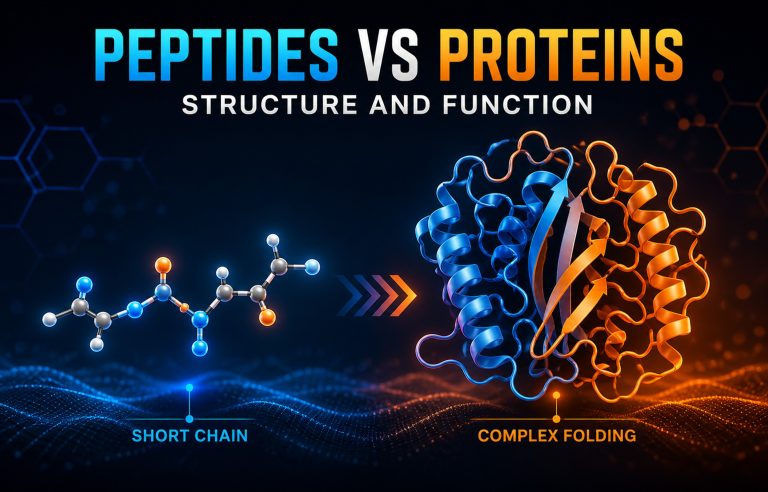
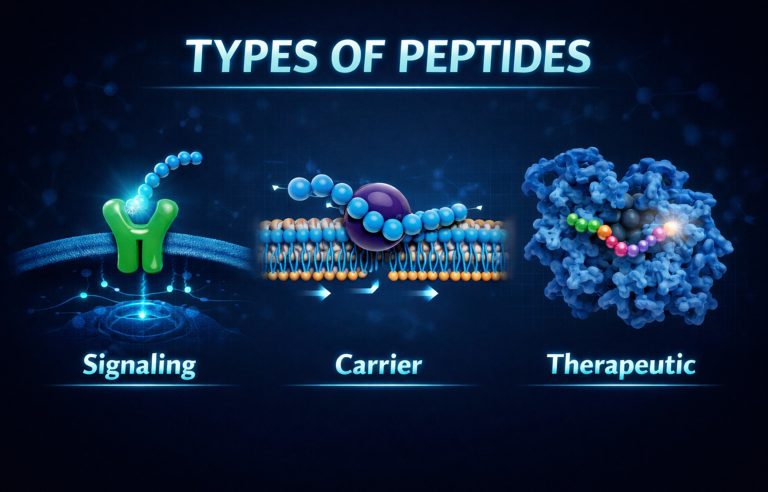
Peptides are short chains of amino acids that play diverse roles in biology. Studying them in laboratory settings involves isolating, characterizing, and testing their behavior under controlled conditions. This research is foundational for understanding peptide structure, function, and potential applications.
Laboratory methods for studying peptides generally fall into several categories: biochemical assays, cell-based models, and analytical techniques. Each provides complementary information about peptides and their interactions.
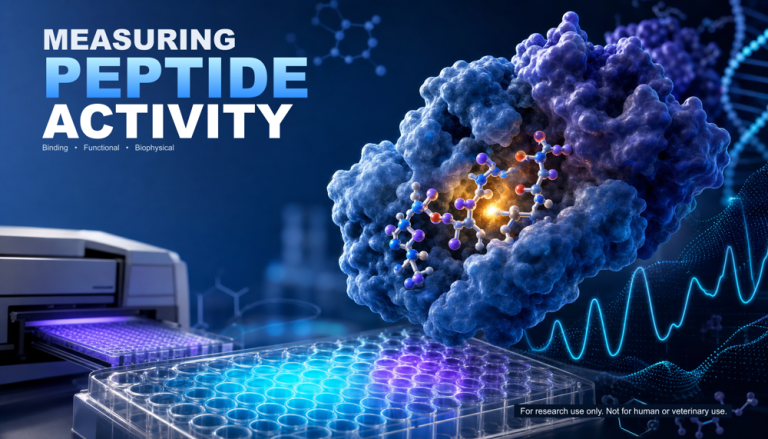
- Biochemical assays to measure peptide activity and binding
- Cell culture techniques to observe peptide effects on cells
- Analytical methods to determine peptide structure and purity
Biochemical Assays: Measuring Peptide Activity and Interactions
Biochemical assays are fundamental tools used to quantify peptide activity and interactions with other molecules. These assays often involve detecting binding events, enzymatic activity, or changes in molecular properties. Examples include ELISA, fluorescence-based assays, and surface plasmon resonance.
Such assays provide quantitative data on peptide affinity, specificity, and functional potential in a highly controlled environment, making them indispensable in peptide research.
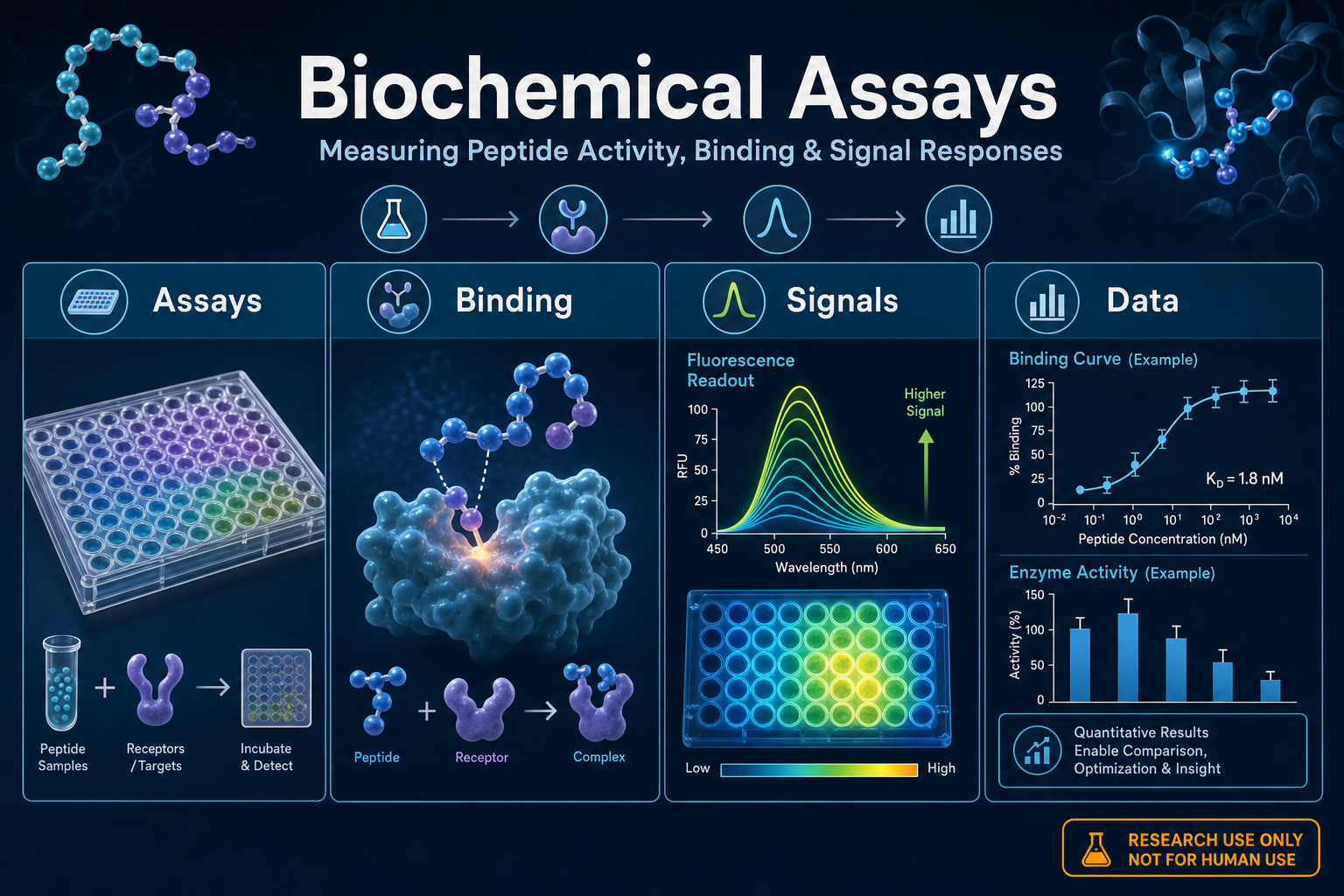
Following assay execution, data analysis helps interpret how peptides interact with targets or influence biochemical pathways. These insights contribute to understanding peptide mechanisms without involving living organisms.
- Enzyme-linked immunosorbent assay (ELISA) for peptide detection
- Fluorescence polarization to study binding kinetics
- Surface plasmon resonance for real-time interaction monitoring
Learn Peptide Research the Simple Way
- Understand how peptides are studied in laboratory settings
- Learn the core concepts behind peptide research
- Start with a beginner-friendly guide — no technical background required
For educational and research purposes only.

Cell Culture Techniques: Observing Peptide Effects in Cellular Models
Cell culture methods enable researchers to study peptides in a controlled biological context. By applying peptides to cultured cells, scientists can observe cellular responses such as signaling changes, gene expression modulation, or cytotoxicity. These models bridge the gap between biochemical assays and whole-organism studies.
Cell-based assays are widely used in preclinical research to evaluate peptide activity, stability, and potential cellular targets.
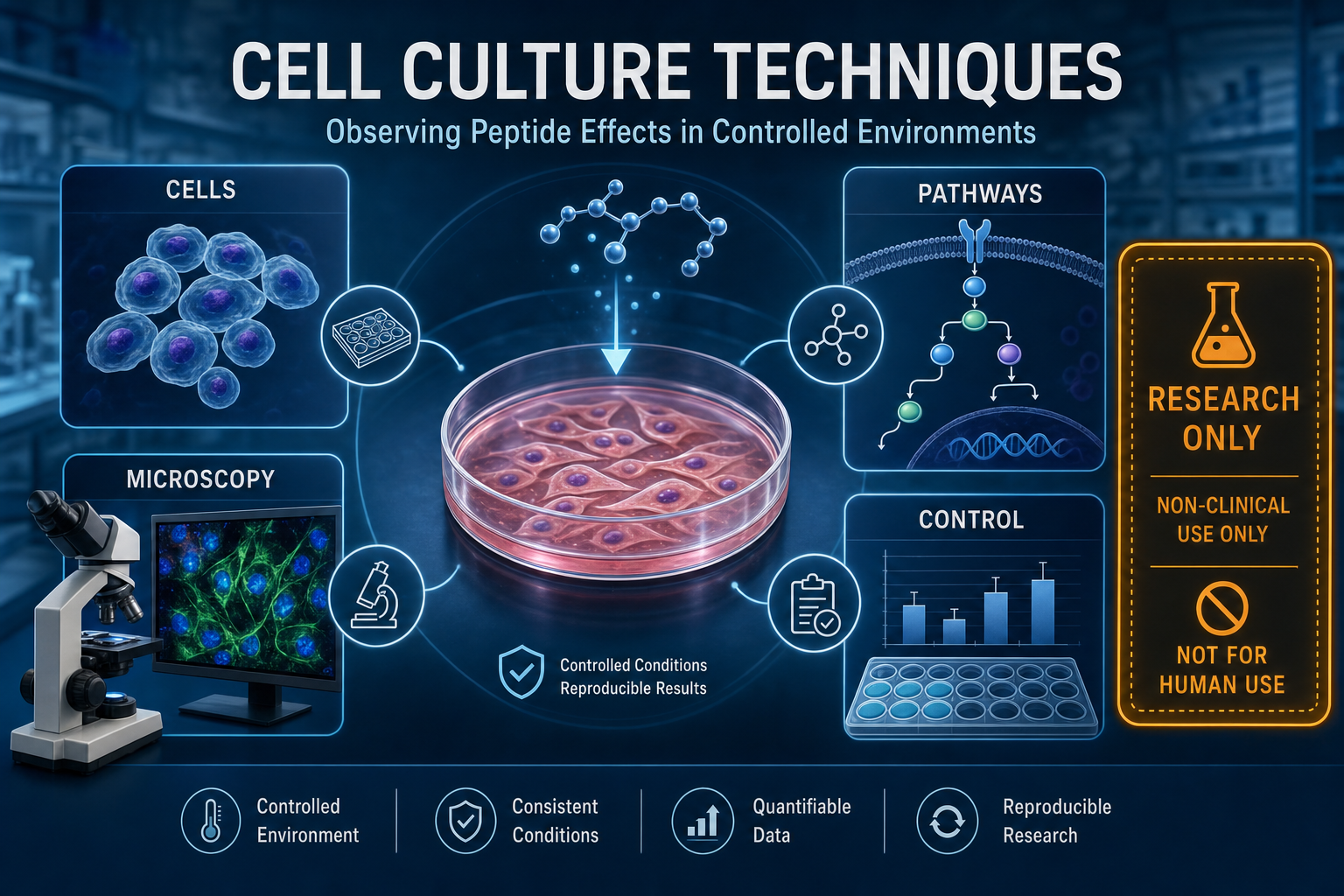
Interpreting results from cell culture experiments requires careful consideration of experimental conditions and controls. These studies contribute valuable data on peptide bioactivity and mechanisms relevant to physiological environments.
- Use of immortalized cell lines for reproducibility
- Assessment of peptide uptake and intracellular effects
- Measurement of cellular viability and proliferation
Analytical Methods: Determining Peptide Structure and Purity
Accurate characterization of peptides relies on analytical techniques that assess molecular structure, composition, and purity. Common methods include mass spectrometry, high-performance liquid chromatography (HPLC), and nuclear magnetic resonance (NMR) spectroscopy. These techniques provide detailed molecular information essential for interpreting biological activity.
Analytical methods ensure that peptides studied in the laboratory meet quality standards and help identify modifications or degradation products.

Data from analytical methods support reproducibility and reliability in peptide research. They also facilitate comparisons across studies by confirming peptide identity and purity.
- Mass spectrometry for molecular weight and sequence confirmation
- HPLC for purity assessment and separation
- NMR spectroscopy for structural elucidation
How These Ideas Work Together
Together, biochemical assays, cell culture techniques, and analytical methods form a comprehensive toolkit for studying peptides in laboratory settings. Each method contributes unique insights that, when integrated, provide a robust understanding of peptide characteristics and behavior.
By combining these approaches, researchers can interpret peptide function and interactions with greater confidence, advancing preclinical research without clinical involvement. This integrated strategy supports the ongoing exploration of peptide science within research contexts.
Key Takeaways
- Peptides are studied using a range of laboratory methods to understand their properties.
- Biochemical assays quantify peptide activity and molecular interactions.
- Cell culture models reveal peptide effects on cellular processes.
- Analytical techniques confirm peptide structure and purity.
- Integrating these methods enhances interpretation in preclinical research.
What Comes Next
Now that we’ve covered How Peptides Are Studied in Laboratories (Methods & Techniques), the next article continues the series with How Researchers Measure Peptide Activity in Lab Studies.
In the next article, we’ll explore How Researchers Measure Peptide Activity in Lab Studies.
Frequently Asked Questions
Laboratory studies provide controlled environments to understand peptide properties and mechanisms without the complexities and ethical considerations of clinical trials. This research is foundational before any clinical evaluation.
Biochemical assays help quantify peptide activity, binding affinity, and interactions with other molecules, offering quantitative data essential for understanding peptide function.
Cell culture models allow researchers to observe how peptides affect living cells, including signaling pathways and cellular responses, providing insights closer to physiological conditions.
Analytical methods confirm peptide identity, structure, and purity, ensuring reliability and reproducibility in research findings.
Research Use Only Disclaimer
This content is provided for educational and informational purposes only.
- For research use only
- Not intended for human or veterinary use
- Not intended to diagnose, treat, cure, or prevent any disease or condition
PubMed References
- Smith J, et al. Techniques for Peptide Characterization in Preclinical Research. J Pept Sci. 2019;25(3):e3123.
- Lee A, et al. Cell-Based Assays for Peptide Activity Evaluation. Biotechniques. 2018;64(1):15-23.
- Garcia M, et al. Analytical Methods in Peptide Research: Mass Spectrometry and Beyond. Anal Chem. 2019;91(12):7509-7517.