In our previous post, we explored how peptides function as signaling molecules, acting as messengers between cells. If you missed it, start here: How Do Peptides Work? The Science Behind Peptide Signaling.
The next logical question is simple: are all peptides doing the same job?
Research suggests the answer is no. In research literature, peptides are often grouped by function, with some primarily involved in cellular signaling, others associated with transport roles, and others studied for highly targeted biological interactions.
What Are the Main Types of Peptides?
Peptides can be classified in several ways, including by structure, sequence length, origin, or function. For beginner-friendly research education, one of the most useful approaches is to classify peptides by what they do in biological systems.
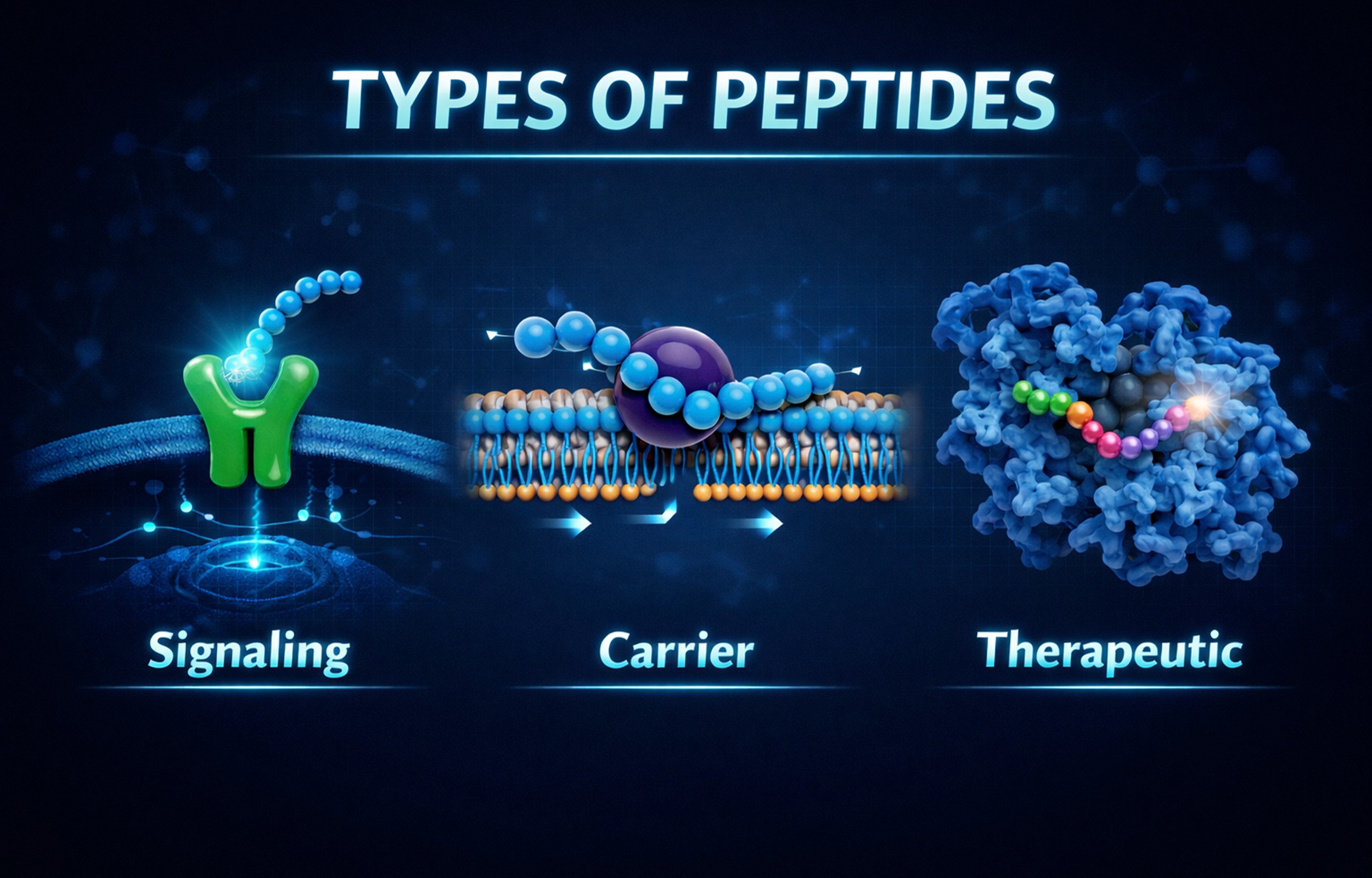
In laboratory and preclinical research, three broad functional categories are commonly discussed:
- Signaling peptides
- Carrier peptides
- Therapeutic peptides
These categories help simplify peptide research for readers who are new to the subject, while still reflecting how peptide functions are discussed in scientific literature.
Signaling Peptides: Cellular Communication Molecules
Signaling peptides are among the most widely discussed peptide types in research because they help explain how cells communicate. These peptides act as biological messengers, binding to receptors and helping initiate downstream cellular responses.
Research suggests that signaling peptides play an important role in receptor-mediated communication, where a small peptide sequence interacts with a specific cellular target and contributes to a signaling cascade inside the cell.
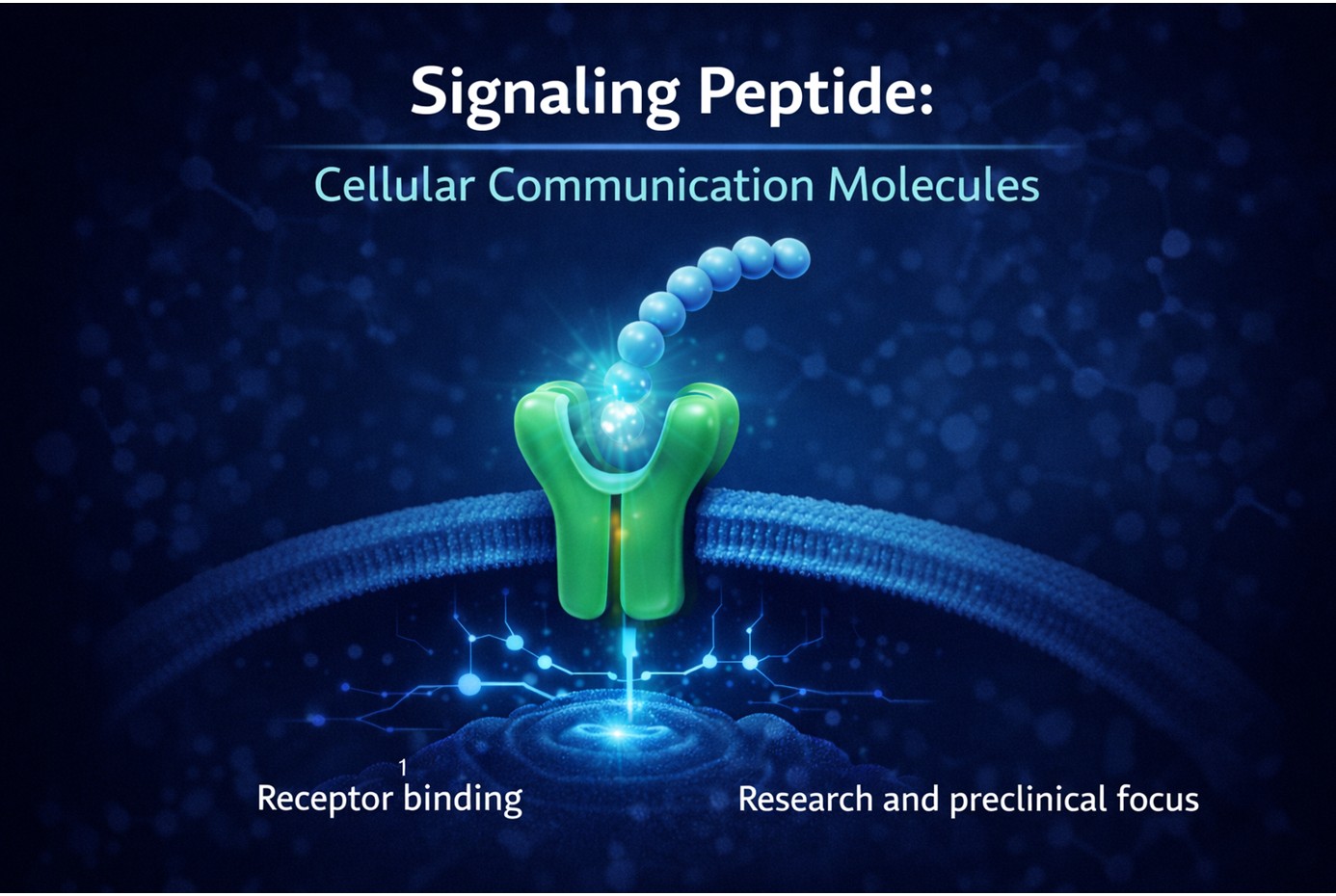
In laboratory settings, signaling peptides are often studied to better understand:
- receptor binding mechanisms
- intracellular signaling pathways
- cell-to-cell communication
- changes in gene expression following receptor activation
If you are new to this topic, it may also help to review our foundational article, What Are Research Peptides?, which explains how peptides are defined and why they are studied in research environments.
Learn Peptide Research the Simple Way
- Understand how peptides are studied in laboratory settings
- Learn the core concepts behind peptide research
- Start with a beginner-friendly guide — no technical background required
For educational and research purposes only.

Carrier Peptides: Transport and Delivery Roles in Research
Carrier peptides are studied for a different reason. Rather than acting primarily as signaling messengers, they are often associated with transport functions in biological systems.
Studies indicate that some peptides can bind to specific molecules, including ions or other compounds, and may assist with transport, delivery, or localization in laboratory models. This makes carrier peptides especially interesting in research involving molecular movement and membrane interaction.
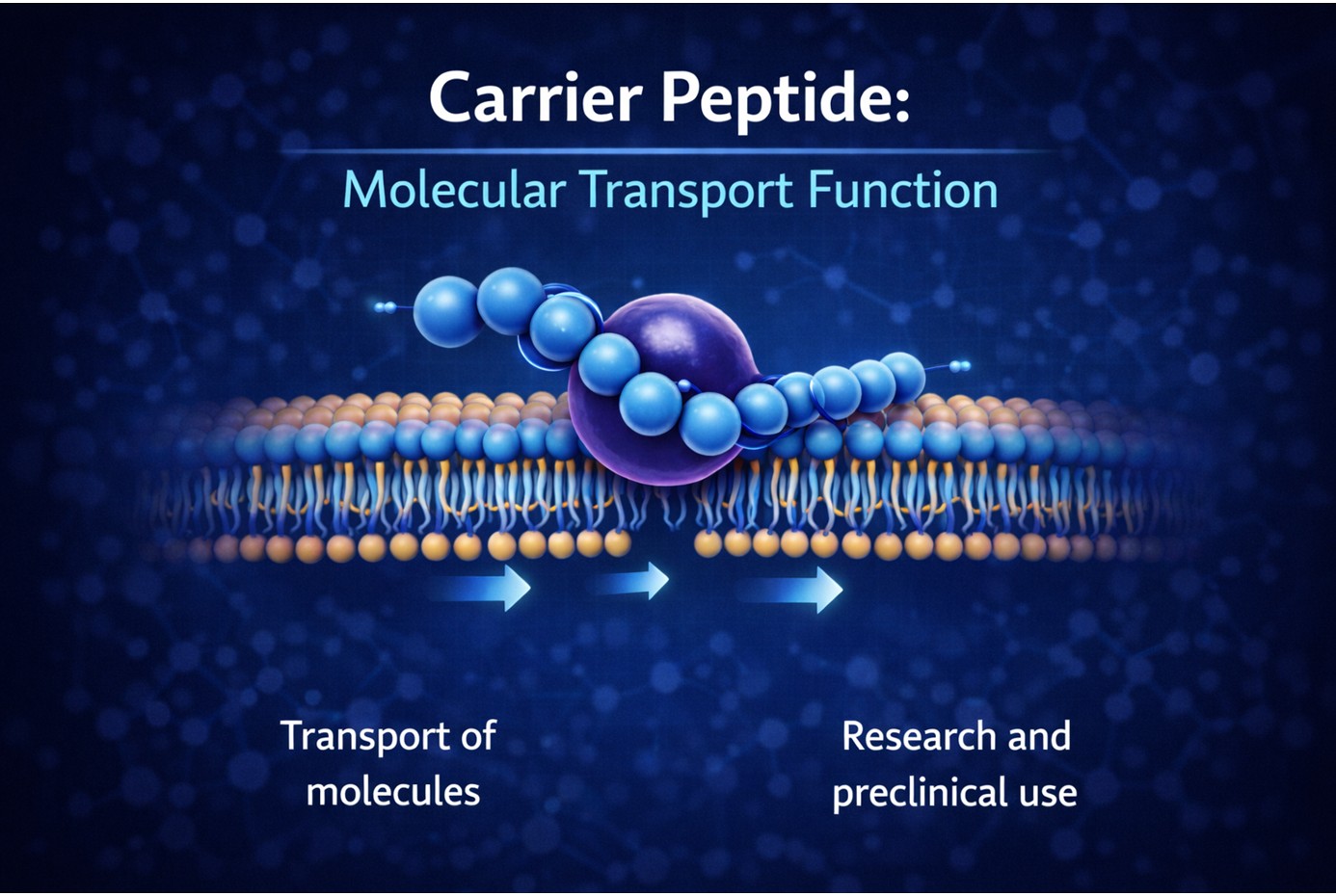
In preclinical and laboratory research, carrier peptides may be investigated for roles such as:
- molecular transport
- membrane interaction
- metal ion binding
- delivery system modeling
- cellular uptake studies
This category helps illustrate an important idea: peptides are not limited to one biological role. Some function as messengers, while others may support movement, delivery, or localization within experimental systems.
Therapeutic Peptides: A Growing Area of Research
Therapeutic peptides are widely discussed in research literature because they are studied for their ability to interact with specific biological targets in highly controlled ways
In scientific and preclinical literature, the term “therapeutic peptide” is often used to describe peptides studied for receptor interaction, pathway signaling, or other research-defined biological functions. This is a research classification and should not be interpreted as a consumer, clinical, or product claim.
Research suggests therapeutic peptides are attractive in scientific study because they can combine relatively small size with high target specificity, making them useful in receptor studies, enzyme interaction research, and molecular design models.
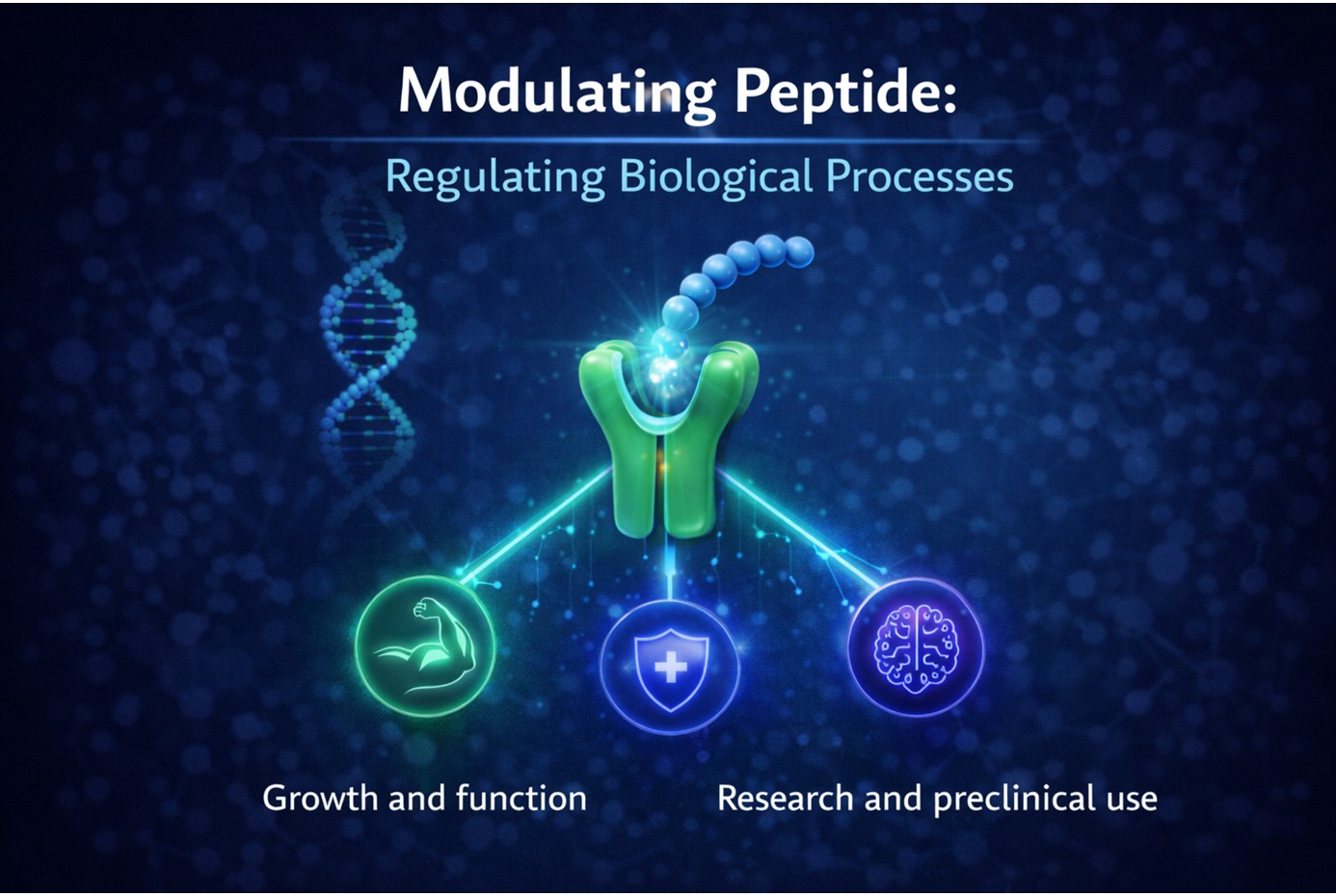
In laboratory environments, therapeutic peptides are commonly explored in relation to:
- receptor targeting
- enzyme interaction models
- pathway-specific research
- peptide design and optimization
- structure-function analysis
As with the other categories discussed in this article, these applications belong in the context of research, laboratory investigation, and preclinical study.
How These Peptide Types Work Together
Although signaling, carrier, and therapeutic peptides are useful categories, research literature does not always treat them as completely separate boxes.
Some peptides may participate in signaling while also influencing transport. Others may be studied for targeted interactions even though they originated from natural signaling systems. In practice, peptide function can overlap depending on the biological context being studied.
That overlap is one reason peptides remain such a valuable area of scientific interest. They are small, versatile molecules with diverse functional roles in biological research.
Key Takeaways
- Peptides are often classified by function, not just structure.
- Three major functional categories include signaling peptides, carrier peptides, and therapeutic peptides.
- Signaling peptides are studied for cellular communication and receptor interaction.
- Carrier peptides are associated with transport and delivery roles in biological systems.
- These categories can overlap depending on the context of the research.
Ready to Go Deeper Into Peptide Research?
- Learn the core concepts behind peptide research
- Understand key factors like stability, purity, and documentation
- See how peptides are studied and evaluated in research settings
For educational and research purposes only.
What Comes Next
Now that we’ve covered the major functional types of peptides, the next question is how peptides compare with larger biological molecules.
In the next article, we’ll explore Peptides vs Proteins: What’s the Difference?
Frequently Asked Questions
A beginner-friendly way to classify peptides is by function. Three commonly discussed categories in research are signaling peptides, carrier peptides, and therapeutic peptides.
A signaling peptide is a peptide studied for its role in cellular communication. Research suggests these peptides often interact with receptors and help trigger downstream signaling activity.
A carrier peptide is generally discussed in relation to transport or delivery functions in biological systems. In research, these peptides may be studied for membrane interaction, transport modeling, or molecular binding roles.
Therapeutic peptides are peptides studied for targeted biological interaction in research and preclinical settings. The term here reflects scientific classification, not a consumer-use claim.
Research Use Only Disclaimer
This content is provided for educational and informational purposes only.
- For research use only
- Not intended for human or veterinary use
- Not intended to diagnose, treat, cure, or prevent any disease or condition
PubMed References
- Fosgerau K, Hoffmann T. Peptide therapeutics: current status and future directions. Drug Discovery Today.
- Lau JL, Dunn MK. Therapeutic peptides: historical perspectives, current development trends, and future directions. Bioorganic & Medicinal Chemistry.
- Otvos L. Peptide-based drug design: here and now. Methods in Molecular Biology.
- Vlieghe P, Lisowski V, Martinez J, Khrestchatisky M. Synthetic therapeutic peptides: science and market. Drug Discovery Today.
- Kaspar AA, Reichert JM. Future directions for peptide therapeutics development. Drug Discovery Today.